Compare Energy Plans
How global energy conflicts impact Australians and how to protect your household
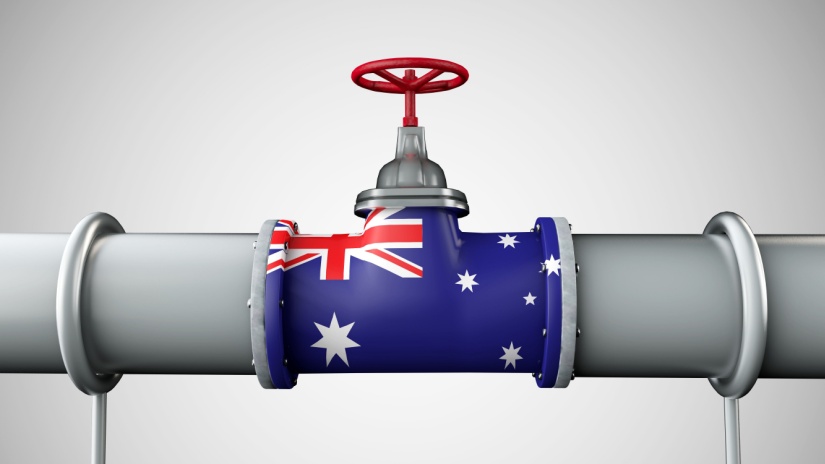
Global conflicts, such as those unfolding in Iran and neighbouring regions, aren’t just international news - they have a real impact on Australian households.
When oil and gas supply is disrupted, prices spike, and Australians pay the price. Understanding the risks and taking action at home can help reduce energy costs and protect your household from volatile global markets.
Why Australia is vulnerable to global energy shocks
Around one fifth of the world’s oil and gas flows through the Strait of Hormuz, a critical international chokepoint between Iran and Oman. Any disruption here can send petrol, diesel, and gas prices soaring worldwide - and Australia is no exception.
Australia imports more than 90% of its refined fuels, meaning we are highly exposed to global supply disruptions. While we produce plenty of gas domestically, more than 80% is exported, tying local prices to the volatility of global markets. Historical events, like the 2022 invasion of Ukraine, show the impact: electricity bills jumped by around $400 on average, petrol prices surged, and households felt the strain while exporters profited.
Oil price shocks and the cost of petrol
Supply constraints drive petrol prices up rapidly. After Russia invaded Ukraine, the Australian Government halved the fuel excise to ease pressure on households, but retail prices still hit record highs. Economists warn that continued conflict in Iran could push petrol prices up by 25 cents to $1 per litre, adding $9-$35 per week to an average household’s budget.
With 98% of Australian cars still running on petrol or diesel, most households remain exposed. While electric vehicle (EV) sales are rising, the transition is only beginning, meaning households are still vulnerable to international oil price fluctuations.
Gas prices and the impact on power bills
Gas markets are equally exposed. Recent attacks in the Middle East have disrupted production in Qatar, a major gas supplier. While Australian households aren’t yet feeling immediate price increases, the risk is clear: when global gas prices rise, electricity costs follow.
Historically, domestic gas prices remained around $3-$5 per gigajoule before large-scale exports. Post-Ukraine invasion, prices surged to $30-$40/GJ, demonstrating just how sensitive Australian energy costs are to global fossil fuel markets. As gas drives a significant portion of electricity generation, these spikes directly impact household power bills.
Clean energy and electrification offer protection
The most reliable way to shield households from global price shocks is to reduce reliance on fossil fuels. Renewable energy and electrification not only cut emissions but also provide long-term cost relief and energy security.
Switching from gas to efficient electric appliances, like gas heaters, gas hot water systems, and gas stoves, can save households between $500 and $1,900 annually. Coupled with rooftop solar and battery storage, these upgrades can slash total energy bills by up to 90%, directly protecting families from future price spikes.
Electrifying transport reduces costs and exposure
Transport is another area where households can cut costs and reduce dependence on volatile oil markets. EVs cost around 40% less annually to operate than petrol cars, saving roughly $1,400 per year in fuel and maintenance.
Australian EV sales are growing rapidly, from just 0.8% of new car sales in 2020 to more than 13% in 2025, with over 454,000 EVs on the roads today. With more than 150 models now available, including affordable options under $26,000, the transition to electric transport is becoming increasingly accessible.
Renewables strengthen energy security and cut bills
Unlike fossil fuels, solar and wind energy are local, abundant, and immune to global conflicts. Backed by storage technologies like batteries and pumped hydro, renewables can reliably power homes, businesses, and industry.
In recent years, renewables and storage have provided nearly 45% of Australia’s electricity, cutting wholesale power prices almost in half in late 2025. Households saved up to $417 on electricity bills in 2024 thanks to cleaner, cheaper power. With power prices expected to fall by 5% over the next five years as more renewables come online, accelerating the clean energy rollout can deliver tangible financial benefits while enhancing energy security.
Why acting now matters
History shows that global conflicts in fossil fuel regions consistently drive energy price spikes. Delaying the transition to renewables and electrification risks locking Australians into higher energy costs and ongoing exposure to volatile international markets.
Accelerating clean energy and electrification protects households, lowers bills, and supports long-term climate goals. Policies like the Electric Car Discount and the Cheaper Home Batteries Scheme have already helped Australians access these solutions, but more action is needed to make them universally available.
For personalised advice on protecting your home from rising energy costs and getting the most from renewable energy and electrification, talk to the experts at Compare Energy on 1300 790 106.