Compare Energy Plans
Gas Prices in 2026: Impact on Australian Households & How to Save
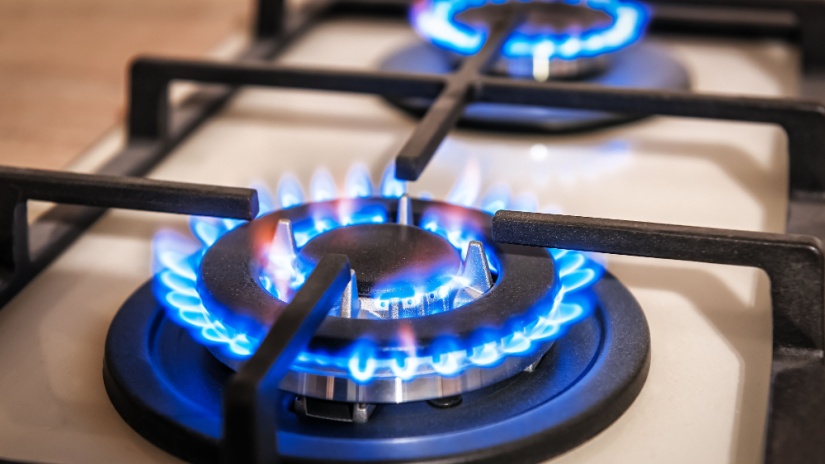
As we enter 2026, Australian households are feeling the pinch from soaring energy costs. Gas, once a staple of Australian homes for cooking, heating, and hot water, has become a significant financial burden for many households.
While gas prices have been rising steadily over the past few years, recent global market dynamics, domestic supply challenges, and shifts in energy policy are all contributing to higher costs.
In this article, we will explore the factors driving up gas prices in 2026 and how Australian families are feeling the impact. We’ll also discuss the benefits of gas versus electric energy options, helping you decide if it’s time to switch plans and save on your energy bills.
There are several factors at play that have led to the rising cost of gas in Australian households:
Global LNG market trends
Australia is one of the world’s largest exporters of liquefied natural gas (LNG), and the global market plays a large role in influencing domestic prices. In 2026, demand for LNG is high, especially in Asia, as countries like China and Japan continue to rely on natural gas to meet their energy needs. As more of Australia’s gas is sold overseas, the domestic supply tightens, resulting in higher prices for local consumers.
Supply chain constraints
Domestic gas extraction and distribution systems are facing challenges in terms of infrastructure and supply. The growing demand for gas across multiple sectors - energy, manufacturing, and residential - has stretched the system. Issues such as pipeline maintenance, restrictions on new gas field developments, and the complexity of transporting gas to urban areas contribute to price increases.
Energy policy and transition to renewables
As part of Australia’s broader energy transition, there is increased pressure to reduce reliance on fossil fuels. While this is a positive move for the environment, the shift away from gas, coupled with a stronger push towards renewables like wind, solar, and hydrogen, has led to increased costs as the gas industry adapts to the evolving market. Many households are now paying higher prices to make up for the transition costs.
Inflation and economic pressures
Rising inflation, higher operational costs for energy providers, and the cost of complying with environmental regulations have all combined to drive up energy prices. For Australian families, this means paying more for gas both at the pump and in their homes.
How are rising gas prices impacting Australian households?
For many Australian households, rising gas prices have resulted in a direct increase in monthly energy bills. A typical household, particularly in colder regions or larger homes, can see a significant increase in heating and hot water costs. This is particularly problematic for families already struggling with high cost-of-living pressures and stagnant wage growth.
Some of the key effects on households include:
Higher utility bills
As gas prices rise, so do the costs for heating, cooking, and hot water in homes. Many families are seeing their gas bills increase by 20-30% or more over the past few years. In some regions, where winters are harsher, the additional burden of heating costs during the colder months has led to financial strain.
Increased energy poverty
As energy prices continue to rise, lower-income households are at risk of falling into energy poverty - where families struggle to pay their energy bills. Some families may even be forced to choose between heating their homes and other essential needs such as food and healthcare.
Pressure on homeowners
Homeowners with gas-powered appliances, including water heaters, stoves, and heaters, are often faced with the tough decision of whether to stick with rising gas costs or consider an expensive transition to electric alternatives. The upfront cost of replacing gas appliances with electric systems can be daunting, but with long-term savings in mind, many are opting to make the switch.
Gas vs. electric: Which is better for your home?
In 2026, the debate between gas and electric energy options has never been more relevant. As gas prices rise, many Australians are reassessing their energy needs and weighing the benefits of gas versus electric systems for their homes. Here’s a comparison of the two to help you decide which is best for your household.
| Aspect | Gas | Electric |
| Energy Cost | Higher - due to rising prices | Lower - especially with solar power or energy-efficient appliances |
| Environmental Impact | Higher carbon emissions | Lower emissions - renewable energy (solar, wind) on top |
| Installation Cost | Often lower for gas-powered appliances | Higher upfront costs for electric systems but long-term savings may offset this |
| Energy Efficiency | Gas appliances are typically efficient for heating and cooking | Electric appliances are improving in efficiency, with options like heat pumps and induction stoves |
| Maintenance | Requires regular maintenance for appliances and pipes | Lower maintenance compared to gas systems |
| Reliability | More reliable in remote areas with limited access to electricity | May require backup power systems in case of outages, especially in rural areas |
| Heating & Cooling | Great for heating but inefficient for cooling | Electric heat pumps can be used for both heating and cooling, making them a versatile option |
Switch gas plans and save
With gas prices continuing to rise in 2026, it’s more important than ever to make sure you’re on the best plan for your household. By comparing energy providers, you could find better rates or switch to a plan that suits your usage, potentially saving hundreds of dollars per year.
Whether you’re looking to stick with gas or transition to electric options, Compare Energy can help you navigate the available plans and find the right solution for your needs. Our experts can assist you in comparing prices, reviewing energy contracts, and ensuring that you’re getting the most affordable and sustainable energy for your home.
Don’t wait until your next bill arrives - call Compare Energy today at 1300 790 106 to switch gas plans and start saving!
Rising gas prices are undeniably having a significant impact on Australian households. With costs continuing to rise, many Australians are beginning to reconsider their reliance on gas and explore alternative energy options like electric heating and cooking. While gas still has its place in many homes, it's important to stay informed and proactive about your energy choices.
By comparing energy plans and considering a switch to more efficient electric appliances, Australian families can better manage their energy costs and reduce their environmental footprint. Whether you stick with gas or go electric, taking the time to evaluate your energy options will ensure that you’re making the best decision for your home and your budget.
Call Compare Energy at 1300 790 106 now and find the perfect gas plan for you today!