Compare Energy Plans
Knowledge Centre
Is working from home pushing your energy bills up?
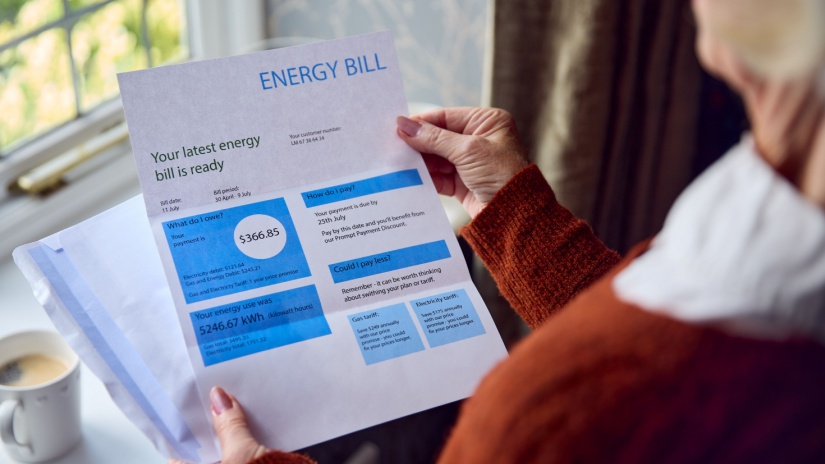
Working from home has become a normal part of life for millions of Australians. What began as a short-term shift has turned into a long-term reality, with remote work now firmly embedded across many industries. While skipping the commute saves time and money, there is another side to working from home that often goes unnoticed. Your energy bill.
When you spend more hours at home, your electricity use changes. Appliances run longer, heating and cooling stay on throughout the day, and devices that once sat idle are now switched on for hours. Over time, these small changes can add up to a noticeable increase in household energy costs.
Why energy use rises when working from home
Most homes are set up around the idea that people leave for work during the day. Working from home flips that pattern completely. Lights that were once only used early in the morning and at night now stay on throughout the day. Even efficient lighting uses power when it runs for longer periods.
Remote work also relies heavily on technology. Computers, monitors, printers and internet equipment are running for eight or more hours a day. A single laptop may not draw much power, but when paired with external screens, chargers, modems and speakers, the usage steadily climbs. In households where more than one person is working from home, energy use increases even further.
Heating and cooling become all-day expenses
Heating and air conditioning are often the biggest contributors to higher energy bills when working from home. Offices normally absorb these costs, but with remote work, they shift directly onto households.
In winter, heating is often left on all day to keep a home office comfortable. In summer, air conditioning can run from morning through the hottest part of the afternoon. Even if you are only heating or cooling one room, the system still consumes a significant amount of electricity.
Homes with poor insulation or older systems feel this impact the most. What once seemed like a reasonable bill can rise quickly when heating or cooling becomes a daily necessity rather than a short burst.
The hidden cost of hot water and kitchen use
Working from home also changes daily routines around food and water use. More cups of tea or coffee mean the kettle is boiled repeatedly throughout the day. Lunch is prepared at home instead of bought elsewhere, which means ovens, microwaves and cooktops are used more often.
Hot water systems work harder too. Extra handwashing, cleaning and occasional daytime showers all add to energy use. Each action seems small, but across weeks of remote work, the additional usage becomes noticeable on your bill.
Pools, outdoor power and lifestyle changes
For households with pools, working from home can have a surprising effect on energy consumption. Pool pumps may run longer because people are home to enjoy the pool during breaks or earlier finishes. Pool heating, even if used occasionally, adds a significant electricity cost.
Spending more time at home also increases outdoor power use. This can include running garden equipment, charging tools or using outdoor entertainment systems during the day. These lifestyle shifts often feel minor, but they raise your daily energy baseline.
Why energy bills creep up with remote work
One of the biggest challenges of remote work is that energy costs rise gradually. Bills may increase slightly each quarter, making it easy to blame general price rises rather than changes in usage.
Often, the real issue is a combination of higher consumption and being on a plan that no longer suits your lifestyle. A plan that worked well when the house was empty during the day may be far less suitable when energy is used steadily from morning to afternoon.
The benefits of comparing energy plans when working from home
Comparing energy plans is especially important when working from home. Different plans are designed for different usage patterns, and remote work changes when and how electricity is used.
Some plans suit households that use more power during daylight hours, while others favour evening usage. By comparing plans, you can find one that aligns with your new routine rather than paying higher rates for energy you now rely on during the day.
Comparing energy plans can also uncover savings through lower supply charges or better rates for higher usage. For households that have seen energy consumption rise due to working from home, these savings can add up to hundreds of dollars a year.
Just as importantly, comparing gives you confidence. Instead of guessing whether your bill is fair, you know your plan suits your lifestyle. That reassurance matters when energy costs are already under pressure.
Why many remote workers are still overpaying
Despite the clear benefits, many Australians engaged in remote work do not regularly review their energy plans. The process can feel confusing, and it is easy to assume switching plans will be difficult or risky.
In reality, changing plans does not affect the quality or reliability of your electricity. The same power flows through the same network. The difference is simply how much you pay for it. When working from home increases your energy needs, staying on an outdated plan can quietly drain your budget.
At the same time as reviewing your energy costs, don't forget to look at your broadband. Remote work relies heavily on your internet connection, so reviewing your broadband plan and costs while you’re reviewing energy can help you avoid overpaying for both utilities and ensure your home is fully equipped for work and study. To do this, give the team at Compare Broadband a call on 1300 764 000.
Getting help to manage energy costs at home
Balancing remote work, family life and rising bills is not easy. Understanding energy pricing on top of everything else can feel overwhelming.
Compare Energy helps Australians find energy plans that suit modern lifestyles, including working from home. Our team explains options in simple language and helps identify potential savings based on how you actually use electricity.
If remote work has pushed up your energy bills, now is the right time to review your plan. A short conversation could help bring those costs back under control.
Call Compare Energy on 1300 790 106 to see how much you could save by comparing energy plans that fit your working from home lifestyle.